

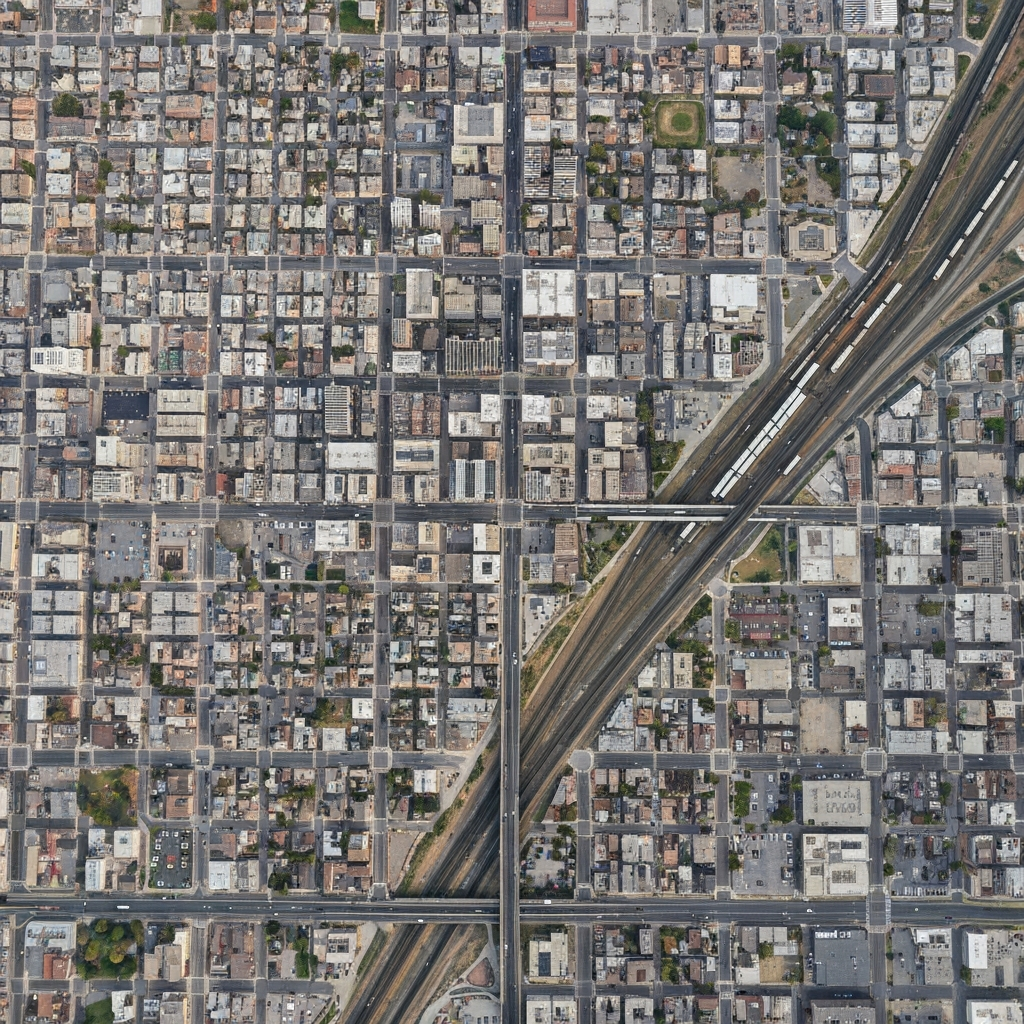
Salt Lake City is taking significant steps to address the longstanding divide between its west and east sides, focusing on enhancing transportation infrastructure and fostering community engagement. This initiative aims to bridge the physical and social gaps that have historically separated these areas.
Understanding the Divide
The city’s westside neighborhoods, including Glendale, Rose Park, and Poplar Grove, have faced challenges due to their separation from eastern parts of the city by Interstate 15 and major railroad lines. This physical division has contributed to disparities in resources and development opportunities. Residents have expressed concerns about rapid development, environmental issues, and the need for improved public transportation. Read more
Community-Driven Solutions
In response, Salt Lake City launched the West-East Connections (WEConnect) Study, a two-year process aimed at identifying and prioritizing solutions to improve connectivity. The study emphasizes community involvement, recognizing that residents’ insights are crucial for developing effective strategies. Mayor Erin Mendenhall highlighted the importance of centering residents’ voices to guide the city’s future development. Learn more
Transportation Initiatives
One of the key focuses is on transportation improvements. The city is exploring options to enhance mobility between the west and east sides, including potential infrastructure projects and policy changes. These efforts aim to create a more connected and equitable urban environment for all residents. More details
Looking Ahead
As Salt Lake City continues to grow, addressing the west-east divide remains a priority. Through community engagement and targeted initiatives, the city strives to create a more inclusive and connected environment, ensuring that all residents have access to the resources and opportunities they need to thrive.