

Salt Lake City is taking significant steps to address the longstanding divide between its west and east sides, focusing on enhancing transportation infrastructure and fostering community connections. This initiative aims to rectify historical disparities and promote equitable development across the city.
Historical Context and Community Concerns
The west side of Salt Lake City, encompassing neighborhoods like Glendale, Rose Park, and Poplar Grove, has historically faced underinvestment and limited access to resources. These areas were once subject to redlining practices, leading to higher poverty rates and lower income levels compared to the east side. Residents have voiced concerns over rapid development, environmental issues, and inadequate public spaces, emphasizing the need for thoughtful urban planning that respects the community’s character and needs.
WEConnect Study: A Collaborative Approach
In response to these challenges, the city launched the West-East Connections (WEConnect) Study, a two-year initiative funded by the U.S. Department of Transportation’s Reconnecting Communities Pilot Program. The study aims to identify and prioritize solutions to improve transportation infrastructure and connectivity between the west and east sides. Mayor Erin Mendenhall highlighted the importance of community involvement, stating, “Future transportation investments must reflect the voices of westside residents—not just because it’s the right thing to do, but because the best solutions come from the residents who live with these challenges every day.”
Community Engagement and Next Steps
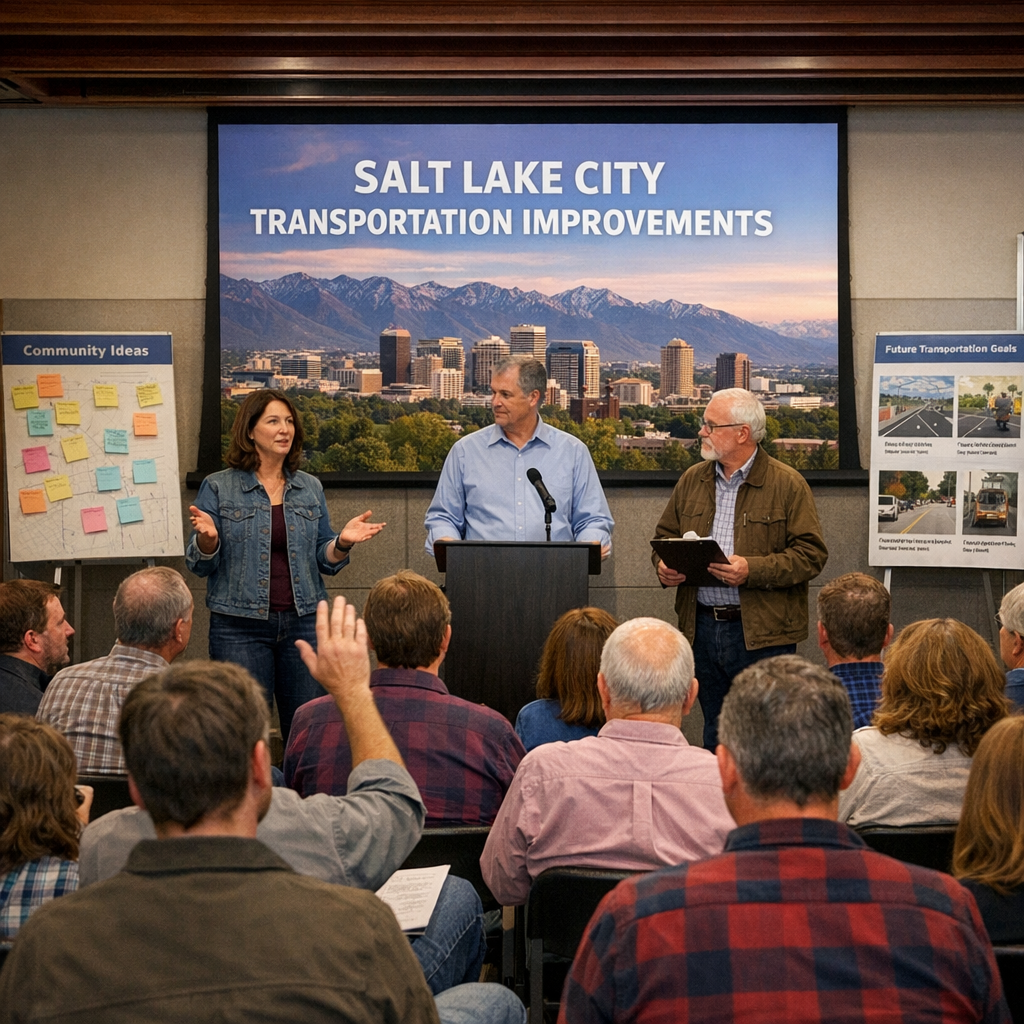
The WEConnect Study began with an in-person open house and an online survey to gather input from residents. The city is committed to centering the voices of westside residents in this process, recognizing that those most affected by the divide are best positioned to guide the development of effective solutions. As the study progresses, ongoing community engagement will be crucial to ensure that the proposed improvements align with the needs and aspirations of all Salt Lake City residents.
By actively involving the community and addressing historical inequities, Salt Lake City is working towards a more connected and inclusive future, where all neighborhoods have equal access to opportunities and resources.